
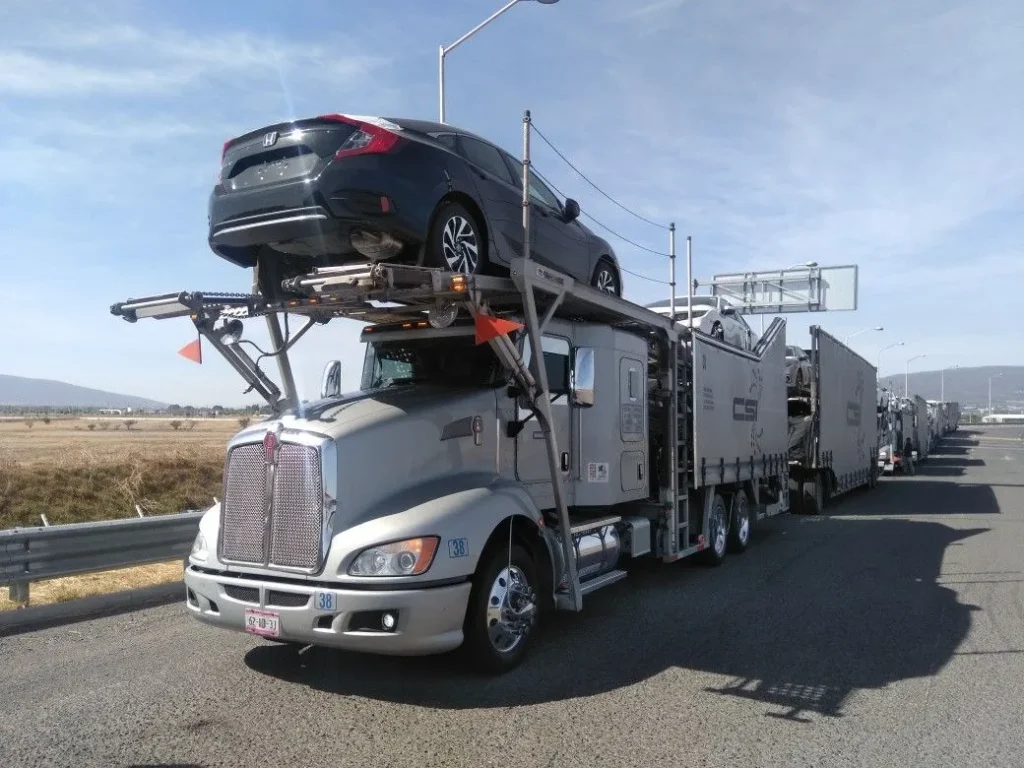
7 Common Car Shipping Mistakes and How to Avoid Them
Shipping a vehicle can be straightforward when you understand the process and prepare in advance.
However, small mistakes involving booking details, vehicle preparation, and transportation paperwork can create unnecessary problems.
Here are seven common car shipping mistakes and practical ways to avoid them.
1. Choosing a Transport Provider Based Only on Price
A low quote may seem attractive, but price alone does not tell you everything about a transportation arrangement.
Before booking, review the services included, payment requirements, cancellation terms, and carrier information.
Ask questions about potential additional charges and the conditions under which pricing may change.
Compare the complete transportation arrangement rather than focusing only on the initial estimate.
2. Providing Inaccurate Vehicle Information
Incorrect vehicle details can affect pricing and loading arrangements.
Always provide the correct year, make, model, and operating condition.
Mention oversized tires, lift kits, lowered suspension, or other modifications.
If the vehicle does not run, disclose that information before booking.
Accurate details help determine appropriate equipment and transportation options.
3. Waiting Until the Last Minute
Carrier availability can change depending on the route, season, and transportation method.
Waiting until the final days before a move may limit your scheduling choices.
When possible, begin planning early and discuss your preferred pickup dates.
Remember that estimated pickup and delivery windows are not necessarily guaranteed.
4. Ignoring Vehicle Inspection Documents
Vehicle condition reports are important records during transportation.
Before pickup, inspect the car and photograph any existing scratches, dents, or other visible damage.
Review the inspection documentation before signing.
Repeat the inspection at delivery and record any newly discovered concerns.
Keep copies of the relevant paperwork.
5. Leaving Valuables Inside the Vehicle
Personal belongings may be restricted by carrier policies.
Items left inside a vehicle may not be covered by cargo insurance.
Remove valuables, important documents, electronics, and unnecessary personal property before pickup.
Ask the transport provider about any applicable restrictions.
6. Choosing the Wrong Transportation Method
Open and enclosed auto transport offer different advantages.
Open transportation is commonly used for everyday cars and is generally more affordable.
Enclosed shipping provides additional protection from weather and road debris.
Consider your vehicle’s value, condition, dimensions, and handling requirements before selecting a method.
7. Failing to Confirm Pickup and Delivery Details
Incorrect addresses, unavailable contacts, or restricted truck access can complicate a shipment.
Confirm your pickup and delivery information before the scheduled transport.
Make sure an authorized person is available to inspect the vehicle and provide or receive the keys.
For door-to-door shipping, be prepared to use a nearby accessible meeting location if necessary.
Bonus Tip: Understand Insurance and Claims Procedures
Before confirming a shipment, ask about the applicable carrier’s insurance coverage, limits, and exclusions.
Keep copies of transportation documents and vehicle photographs.
If a problem occurs, follow the required documentation and claims procedures promptly.
Make Your Next Car Shipment Easier
Avoiding these mistakes can help you approach vehicle transportation with greater confidence.
TrustRoute Car Transport offers open, enclosed, door-to-door, and state-to-state vehicle shipping arrangements.
Call (754) 285-6226 or visit trustroutecartransport.us to request a car shipping quote.